
Key Takeaways
- That fuzzy morning film is plaque, a sticky layer of bacteria and leftover food bits.
- Saliva slows down while you sleep, so buildup has more chance to settle.
- Mouth breathing, snoring, and some medications can dry out your mouth overnight.
- Brushing two minutes twice a day, flossing at night, and cleaning your tongue can help.
- Hardened tartar needs professional tools, so regular cleanings matter.
Why Your Mouth Feels Different in the Morning
You brushed. You flossed. You went to bed with a clean, minty mouth. Then you wake up, run your tongue across your teeth, and something feels rough and slippery all at once.
That gross morning feeling comes from plaque, a sticky layer of bacteria and leftover food bits that builds up overnight while your mouth produces less saliva. It happens to almost everyone, even people with a solid nighttime routine. The team at Outdoor Dental hears about it often during dental exams and cleanings.
What That Fuzzy Morning Film Actually Is
Plaque is the name for the soft, sticky layer that forms on your teeth. It’s made up of bacteria mixed with small bits of food left behind after eating.
It doesn’t take long to form, either. A few hours of sleep is plenty of time for that film to spread across your teeth and along your gumline, which is why a clean mouth at bedtime can feel completely different by sunrise.
Why It Happens While You Sleep
Less Saliva Overnight
During the day, saliva keeps rinsing your mouth as you talk, eat, and drink. That flow slows down while you sleep, so plaque gets a longer window to settle in without being washed away.
Mouth Breathing & Dry Mouth
If you snore or you’ve got a stuffy nose from a cold or Calgary’s dry winter air, you’re likely breathing through your mouth all night. That dries things out quickly.
Certain medications can reduce saliva too, which leaves your mouth feeling sticky and pasty by morning. A few simple ways to manage dry mouth can make the difference.
Spots a Toothbrush Tends to Miss
Even careful brushing leaves a few areas behind, and these are the spots that get skipped most often.
- Right along the gumline, where bristles tend to skim past
- The tight spaces between your teeth
- The back side of your lower front teeth
Plaque left in those spots overnight is often what you’re feeling first thing in the morning, and over time it raises the odds of gum disease.
Why Morning Breath Sticks Around Too
The same overnight bacteria behind that fuzzy film also cause the smell. So the two problems usually show up together, and tooth decay can add to bad breath as well.
Your tongue plays a part as well. Its surface holds onto odour-causing buildup, which is why brushing your teeth alone sometimes doesn’t seem to help much.
The tricky part is that your own breath is hard to judge. You get used to it, so it can linger longer than you’d expect without you noticing.
Simple Habits That Help Your Mornings Feel Fresher
A few small changes can make a real difference in how your mouth feels when the alarm goes off.
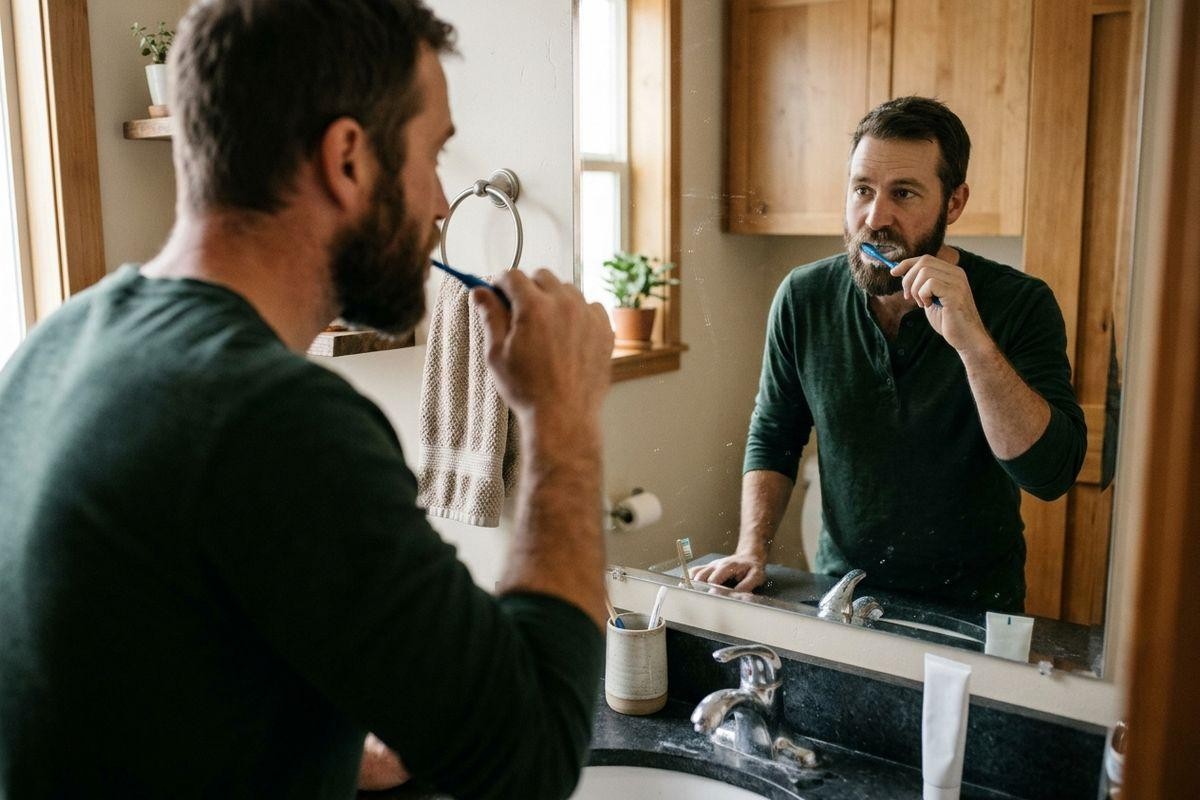
- Brush for a full two minutes, morning and night.
- Floss before bed and give your tongue a gentle clean.
- Drink water through the day, and try an alcohol-free rinse.
Brush Smarter, Not Harder
Use a soft-bristled brush, hold it at about a 45-degree angle to your gums, and work in gentle circles. Scrubbing hard feels productive, but it can wear enamel down over time.
Watch Acidic Foods & Drinks
Pop, citrus, and energy drinks soften enamel for a while after you finish them. That post-bike-ride energy drink is a good example.
Rinse with water and give it some time before you brush, so you’re not scrubbing softened enamel.
When to Book a Visit With a Dentist in Seton
Some morning fuzziness is normal. Other signs are worth a closer look with a Seton dentist.
- A rough or fuzzy feeling that never seems to lift, even after brushing
- Gums that bleed when you brush or floss
- Bad breath that hangs around all day
- Sensitivity when you eat or drink something cold
- Snoring or a dry mouth most mornings
How a Cleaning Helps Your Mouth Feel Fresh Again
Once plaque hardens into tartar, brushing can’t remove it. That part takes professional tools and a trained hand, and a cleaning usually takes 60 to 90 minutes.
Regular checkups also help catch small issues while they’re still small, which usually means simpler treatment.
What the Team at Outdoor Dental Offers
The team handles cleanings and exams for every age, plus laser dentistry and sedation options if dental visits make you uneasy. Screening for snoring and obstructive sleep apnea is available too, which can be helpful if dry mouth is part of your morning routine.
Waking up with a fresher mouth often starts with a good cleaning and a plan built around your habits. Book your appointment with a dentist in Seton at Outdoor Dental today.