
Key Takeaways
- Diabetes can lower saliva flow, which reduces your mouth’s natural protection.
- Extra glucose in saliva feeds bacteria, so plaque and tartar build up faster.
- Gum disease, cavities, dry mouth, and thrush are common concerns.
- Early gum changes often feel painless, so checkups matter.
- Gum disease and blood sugar are linked in both directions.
- Brushing, flossing, and regular cleanings help protect your smile.
Diabetes & Your Smile
You brush, you floss, and your gums still bleed a little in the sink. If you live with diabetes, that small pink swirl deserves a second look.
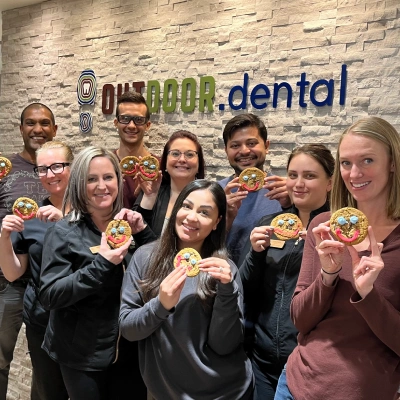
Yes, diabetes can cause dental problems, and it raises your risk of gum disease, cavities, dry mouth, and other changes inside your mouth. The good news is that steady home care and regular visits with Outdoor Dental can help you stay ahead of most of it, starting with exams and cleanings at your Seton dentist.
How Diabetes Affects Your Mouth
Saliva does quiet work all day long. It rinses food away and keeps your mouth comfortable. Diabetes can mean less saliva, which leaves your teeth with less of that natural protection.
There’s another piece to it. Extra glucose in your saliva feeds the bacteria already living in your mouth.
The result shows up on your teeth. Plaque and tartar build up faster, and that thin, fuzzy film near the gumline turns into something a toothbrush can no longer handle on its own.
Common Dental Problems Linked to Diabetes
Gum Disease
Gum disease often starts as gingivitis. Your gums look red and puffy, and they bleed when you brush.
Left alone, it can move on to periodontitis. The gums pull away from the teeth, and teeth can begin to feel loose. Higher blood sugar raises the risk that gum disease keeps progressing, which is why the two are worth watching together.
Cavities & Dry Mouth
Dry mouth can feel like sandpaper by mid-afternoon, and it can lead to sores inside your cheeks and lips. Cavity risk also climbs as plaque builds up, so a tooth that felt fine last winter can turn sensitive by spring.
Other Changes You May Notice
Diabetes can bring a few smaller shifts inside your mouth that are easy to shrug off.
- Thrush, which shows up as white patches in your mouth
- A burning feeling inside your mouth
- Foods and drinks tasting different than they used to
Warning Signs to Watch For
Some changes are worth mentioning to the dental team sooner rather than later.
- Gums that look red or swollen, bleed easily, or seem to be receding
- Loose teeth or spaces between teeth that keep widening
- Dry mouth or bad breath that lingers after you brush
Why Early Signs Get Missed
Early gum changes usually don’t hurt. Nothing throbs, nothing wakes you up at night, so it’s easy to assume everything is fine.
That’s the value of a checkup. Regular exams and cleanings catch these problems sooner, while they’re still simple to manage.

Can Dental Care Help With Diabetes Management?
The link between gum disease and blood sugar runs in both directions. Higher blood sugar can worsen your gums, and unhealthy gums can make blood sugar harder to keep in range.
Treating gum disease may help support better blood sugar control. Think of dental visits as one part of your overall care plan, right alongside your other appointments.
What to Share With the Dental Team
A few details help the team shape your visit around what your mouth needs.
- How long you’ve had diabetes
- Your medications and any recent changes in your blood sugar
- Any nerves about treatment, since sedation options are available at Outdoor Dental
Daily Habits That Protect Your Teeth & Gums
Small steps at home carry a lot of weight between appointments.
- Brush twice a day and floss once a day, paying attention to the gumline.
- Keep your blood sugar within your target range.
- Book your cleanings and exams on schedule instead of waiting for pain.
How Often to See a Seton Dentist
Most people do well with a visit every six months. If your gums need closer monitoring, the team may suggest more frequent appointments.
Extra Support for Your Mouth
These habits give your gums a little more backup through the week.
- Skip tobacco products.
- Sip water through Calgary hikes, bike rides, and hockey practices.
- Choose balanced meals and drinks through the day.
Book Your Visit in Seton Calgary SE
Diabetes adds a few extra things to keep an eye on, and you don’t have to sort through them alone. The team at Outdoor Dental can check your gums, explain what they see in plain language, and build a cleaning schedule that fits your life.
Book an appointment with your dentist in Seton today, and keep your smile ready for whatever trail or rink comes next.